Yatırımsız deneme bonusunun ne olduğunu, nasıl alındığını ve faydalanma yöntemlerini öğrenin. Risk almadan bonus avantajlarından yararlanın!Online bahis ve casino dünyası giderek genişlerken, kullanıcılarına sunduğu avantajlar da artmaya devam ediyor. Yatırım yapmadan kazanç elde etme şansı sunan yatırımsız deneme bonusu, bu avantajlar arasında en cazip olanlardan biri olarak öne çıkıyor. "Yatırımsız Deneme Bonusu" adını verdiğimiz bu…
World-leading laptop manufacturer MSI has unveiled an impressive lineup of laptops for 2020 that appeal to a wide range of users.
Leading the way are its flagship laptops, the GE66 Raider and GS66 Stealth, representing quite different takes on the gamer aesthetic.
The GE66 Raider Aurora Edition is “the fusion of sci-fi and resplendency,” according to MSI.…
Not only are all LG Gram laptops set to be shipped with Windows 11 already onboard to make life easier for customers, the company say previous LG Gram models can be upgraded to it by visiting the Microsoft website.
“Shipping LG gram laptops with Windows 11 immediately after the OS launch is an example of our…
LG Electronics has reported a third quarter slump in provisional operating profits, compared to the same time in 2023, as they struggle to grow their TV and appliance business with the business admitting they are looking to sell more products directly online while bolstering their advertising and data capture business.
In their latest filings the Company reported that the business only managed to deliver a Q3 2024 operating profit of A$826M Vs A $1.096 Billion a slump of $270 million.
While revenues were up, the Company who laid off staff in Australia late last year and into 2024 is finding profits are hard to find with the business impacted by high freight rates, and increased logistics and marketing expenses in the second half of 2024.
Screen Saver Advertising now hard wired into LG TV’s
In a conference call held after the second quarter earnings announcement, the company mentioned the average maritime freight rate per container is expected to increase by approximately 58 percent year-over-year in the second half and marketing costs, including advertising expenses, are expected to rise.
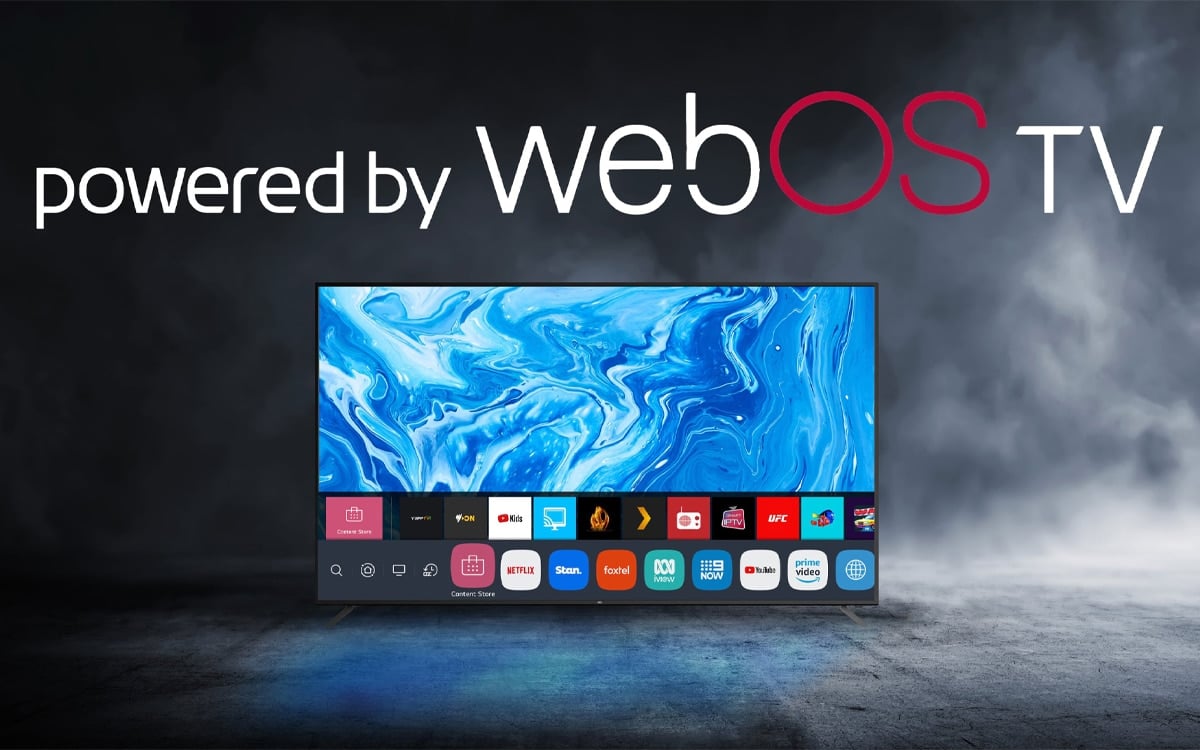
The business that is generating millions selling third party data captured via their WebOS and Smart ThinQ software said that their webOS-based content and service business which includes selling subscriptions to what is free services with some appliance manufacturers is now a key contributor to the business’ operating profit, however at this stage the Company has not said how many millions is being generated selling information on customers viewing habits or from subscriptions.
They did acknowledge that the data capture business is expected to continue its rapid expansion despite the issue of data capture issues and their terms of use for WebOS built into LG TV’.
Management claim that LG plans to strengthen their content offerings with more advertising, pop ups and expanding their ecosystem and software in an effort to boost its advertising business now built into TV’s being sold in Australia.
LG plans drive future growth from the capture of what a large majority of their customers claim is confidential information.
New initiatives, such as the introduction of subscription services wrapped around laundry appliances a fridge and the expansion of volume-zone lineups alongside direct-to-consumer (D2C) sales, have driven consistent sales growth in core business areas like home appliances as margins fall from selling devices via a high street retailer.
On the profitability front, LG’s rapidly growing platform-based content and service businesses are increasingly contributing to overall operating profits often ahead of the sale of goods such as TVs, audio and appliances.
Some observers claim that in the future LG could start discounting out the cost of a TV just to get access to consumer data or a subscription via an LG appliance.
In the home appliance sector, LG’s subscription services business continues to be a key revenue generator.
Although third-quarter profitability was impacted by increased shipping costs and slower demand recovery in key markets, the company plans to address these challenges by diversifying its product portfolio, growing its online sales and tailoring offerings to meet regional market needs,
In the home entertainment category OLED TV demand in Australia is down on previous years, despite gradual recovery in key markets such as North America and Europe.
LG management claim that the cost for LCD panel prices compared to the same period last year affected overall profitability with the sale of their China based plant to a TCL subsidiary set to impact the South Korean Company in the future.
Despite challenges such as delayed demand recovery, rising raw material prices and shipping costs, LG is moving to deliver more revenue from the B2B market.
As a result, the Company that is also struggling in the notebook market has moved to change their business models and methods and is now looking to strengthen its B2B operations, which are less sensitive to economic fluctuations—have sustained its growth and enhanced its core competitiveness this year the Company claimed.
In the business solutions sector, LG is intensifying its customized offerings for specific verticals, leveraging its diverse product lineups. The company plans to expand its premium IT lineup, including AI PCs and gaming monitors, and secure future technologies such as virtual production solutions to support the ongoing growth of its commercial display business.
Investments in promising new ventures, including robotics and electric vehicle chargers, will also continue steadily.