Microsoft will emerge as the biggest single investor in a US$24 million capital raising in N-trig, an Israeli start-up that makes touch-sensing screen hardware. Investors will also include several venture-capital firms.
Microsoft will emerge as the biggest single investor in a US$24 million capital raising in N-trig, an Israeli start-up that makes touch-sensing screen hardware. Investors will also include several venture-capital firms.
It’s another pointer that Microsoft is pushing the technology for PC screens that could eventually replace the computer mouse. The perceived hope is the investment will help N-trig quickly adapt its technology to work with Windows 7.
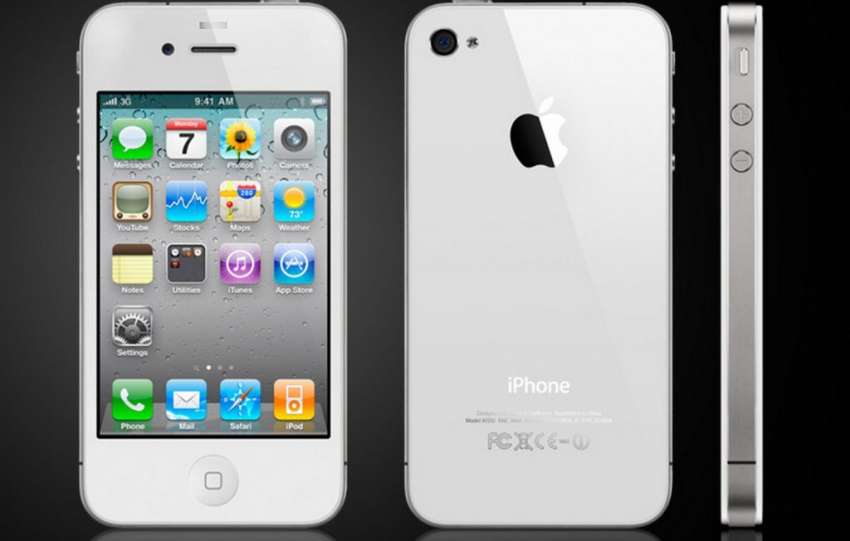
Following the lead from Apple’s iPhone, Microsoft is gambling that people may eventually prefer to control their PCs with finger gestures, rather than pointing and clicking with a mouse. Microsoft is deeply integrating touch features into Windows 7.
The Wall Street Journal says Microsoft is mobilising software-application makers, PC companies and component suppliers such as N-trig to tool their products for Windows 7.
“Touch-sensing PCs could end up as little more than a gimmick,” the Journal’s Nick Wingfield admits. “But if the technology catches on as it has in the cellphone, it could provide the first meaningful change in how users interact with PCs in decades.”
Touchscreen users can zoom in on maps by pinching their fingers together and pivot around a three-dimensional map by sweeping their hands across the screen. Like virtual sculptors, engineers and architects could use the technology to mould simulated objects with their hands.
Bill Veghte, senior VP for Microsoft’s Windows business, says touchscreens aren’t useful for all PC applications. Nor are they likely ever to replace keyboards, which are more efficient for entering text.
N-Trig’s touchscreen technology is used in notebooks from Dell and Hewlett-Packard. H-P has become one of the most aggressive adopters with its TouchSmart line of computers, pictured page 1, sales of which have “far exceeded” expectations, according to Philip McKinney, CTO of H-P’s personal systems group. Those machines are sold with Windows Vista, but H-P had to design extra software.